NATIONAL GOVERNANCE
Governance
Under Christian Nationalist theonomy, a nation’s governance would be a theocratic-democratic hybrid, rooted in biblical principles and designed to reflect God’s righteous character while maintaining societal stability.
Drawing from post-Civil War England’s model, this system would resolve historical tensions between church and state, integrating scriptural authority with the people’s voice.
England’s experience after the English Civil War (1642–1651), which dismantled the divine right of kings in favour of parliamentary democracy, offers a historical precedent. By establishing religious safeguards, England created a stable, godly governance structure for nearly 300 years.
Structure of Governance
The governance model would feature a bicameral legislature to balance democratic representation with biblical fidelity:
Lower House (House of Representatives):
Elected by the populace, this chamber would reflect the will of the people, similar to England’s House of Commons or the U.S. House of Representatives. Representatives would propose legislation addressing national needs - economic policies, infrastructure, or social welfare - while operating within a constitutional framework grounded in scripture. This democratic element ensures governance remains responsive to citizens, aligning with the biblical principle of just rulership (Romans 13:1-4).
Upper House (House of Lords Equivalent):
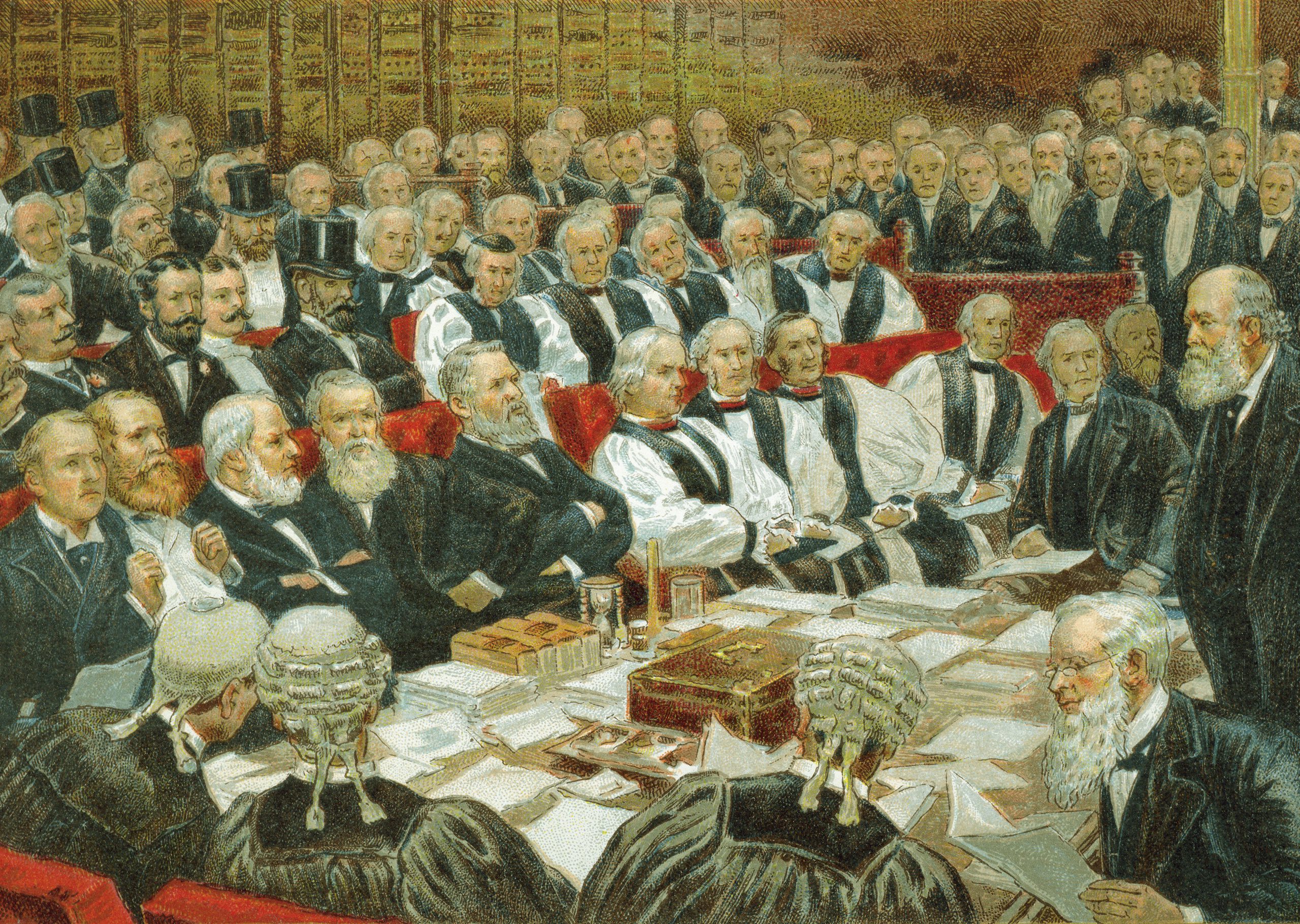
Modelled on England’s historical House of Lords, this chamber would serve as a deliberative check, composed of bishops of the orthodox Christian faith and hereditary lords, typically military veterans or leaders, as was traditional in England. The bishops, steeped in theological expertise, would ensure legislation aligns with biblical moral principles, such as the general equity of the Ten Commandments (Exodus 20:2-17) and Christ’s teachings on love, justice, and mercy (John 13:34, Micah 6:8). The lords, with their martial and leadership experience, would bring disciplined stewardship, reflecting the biblical call for rulers to be “men who fear God, trustworthy men” (Exodus 18:21). This body would scrutinise, amend, or reject lower house proposals, safeguarding against secular or immoral laws.
This semi-theocratic structure mirrors England’s post-Civil War system, which balanced elected representation with religious and military oversight. For nearly 300 years, England’s House of Lords ensured legislation upheld Christian ethics, contributing to the United Kingdom’s stability and reputation as a godly parliamentary system. The upper house’s role was not to dominate but to refine, ensuring laws served the common good and glorified God (1 Corinthians 10:31).
Legislative Priorities
A Christian Nationalist government would enact laws reflecting biblical values, prioritising the nuclear family, sanctity of life, and moral order:
Family and Marriage: Laws would define marriage as a sacred union between one man and one woman (Ephesians 5:22-33), repealing no-fault divorce to counter its attack on family stability (Malachi 2:16). Divorce would be permitted only for sexual immorality or abandonment (Matthew 5:32, 1 Corinthians 7:15), with mediation required to encourage reconciliation. This protects the family as the foundation for raising godly offspring (Deuteronomy 6:7).
Sanctity of Life: Murder would face severe penalties, including the death penalty (Genesis 9:6), and abortion would be prohibited, reflecting the value of life created in God’s image (Psalm 139:13-16).
Moral Order: Crimes like blasphemy, adultery, or idolatry would be prosecuted, with penalties ranging from restitution to public penance, emphasising New Testament repentance (Matthew 18:15-17). The upper house would ensure these laws align with scripture, avoiding secular drift.
Economic and Social Justice: Policies would draw from biblical principles of charity and fairness, mandating tithing for welfare and protecting property rights (Luke 6:38, Exodus 22:1-4). The upper house would guard against exploitative legislation, promoting a society that blesses both believers and non-believers (Isaiah 42:4).
Judicial and Enforcement Mechanisms
Courts, led by judges trained in theology and law, would interpret laws through a biblical lens, prioritising restoration over retribution (John 8:7).
Police, under religious oversight, would enforce moral and criminal codes, blending spiritual discernment with evidence-based investigations. The upper house’s role in appointing or advising on judicial nominations would ensure magistrates reflect godly character (Deuteronomy 1:13).

Lessons from England’s Decline
England’s historical success highlights the efficacy of religious safeguards, but its recent decline serves as a cautionary tale.
Successive socialist administrations, using “class and privilege” as a pretext, diluted the House of Lords by replacing bishops and hereditary peers with political appointees, big donors, and party loyalists. This eroded the upper house’s moral authority, allowing secular ideologies to dominate legislation.
Mandating the religious and martial composition of Upper House ensures it remains a bulwark against ungodly laws.
Governance under Christian Nationalist theonomy, inspired by England’s post-Civil War model, would blend democratic representation with biblical oversight. A lower house would reflect the people’s will, while an upper house of bishops and lords would ensure laws align with God’s standards, fostering a stable, godly society.
By prioritising family, life, and justice, this system would support the Church’s mission (Matthew 28:20) and reflect Christ’s kingdom (Habakkuk 2:14), provided it guards against secular erosion and balances authority with mercy.